🤝 Crafting your collabs
Everything in life is about partnership. You've taken the time to build yourself up as a creator (partnering with yourself), and you've got the dedicated audience to show for it (partnering with your community). Why not go even further and start connecting with your ideal brands so you can continue fulfilling your dreams? This week's newsletter is about how to get brand deals, how to sell yourself, and how to negotiate what you deserve. Let's go!
In this week's issue 📨
- Get brand deals as a small influencer
- Making a media kit
- Negotiating with brands
Was this email forwarded to you? Subscribe here!
Small yet mighty

You've got your niche, you've got the content, and you've got the expertise. Now, it's time to get brands to notice you. As a small influencer, you may not expect big brands to care about what you're creating, but don't settle yourself short! Nano and micro influencers are outpacing larger creators when it comes to brand deals these days, and you could be just what your favorite companies are looking for.
Jacquelyn White, senior content manager at Impact.com, explains the big power of small influencers and how you can nab worthwhile brand deals.
Engagement
- Nano (less than 15k followers) and micro (less than 100k followers) influencers tend to drive more engagement than the macro (more than 100k followers) variety. A smaller audience means more loyalty within a specific niche. When you partner with the right brand, your dedicated subscribers will notice.
- A smaller following is usually more invested in the finer details and tends to hang on your every word. If you're a macro influencer with a million subscribers, but they never click on any links, what's the point? It's much better to have 10,000 followers who actually interact with your content.
Relatability
- People want their creators to solve their problems, and their influencers to be their best friends. Audiences see smaller influencers as people they know, while sometimes seeing giant creators as out-of-touch behemoths. Because of this, brands love the little guys as they cultivate more relatability.
- When you're more relatable, your audience is more likely to buy the thing you're promoting, whether it be your own creative work or a deal with your favorite brand. As a smaller influencer, you create so much more value for marketing teams thanks to your small yet mighty fanbase.
Jessy C. highlights how to make it easy for brands to connect with you.
Discoverability
- Before seeking out brand deals, ensure you've built a solid foundation for your content and community. If you're not consistently posting content and promoting your own brand, you're not yet ready to promote yourself to your favorite company. Build first so you're at your best!
- If you want brands to notice you, you've got to make your work as discoverable as possible. Use various SEO tactics, put your email address in every online profile you have, and take advantage of hot trends connected to your niche. You've got to know what's relevant if you want to be relevant.
Connection
- When going for brand deals, consider companies you're already passionate about that would also excite your followers. The last thing you want to do is promote a product you don't like. If you're not sure, think about what your audience would be interested in and ask what products they love.
- It's wise to network with other influencers by joining online communities and attending events. Networking is a must to find other creators you click with. Chatting about what's worked well for others will help you better understand what brands are looking for and find potential partners.
Interesting stories & ideas 📚
- Change one thing at a time - Dru Riley
- Escape the creative isolation trap – Flux & Flow
- Pricing lessons learned after 13 years – Freelance Cake
- How to get back on track – Ryan Holiday
- What is content decay? – Ahrefs Blog
The whole kit and caboodle
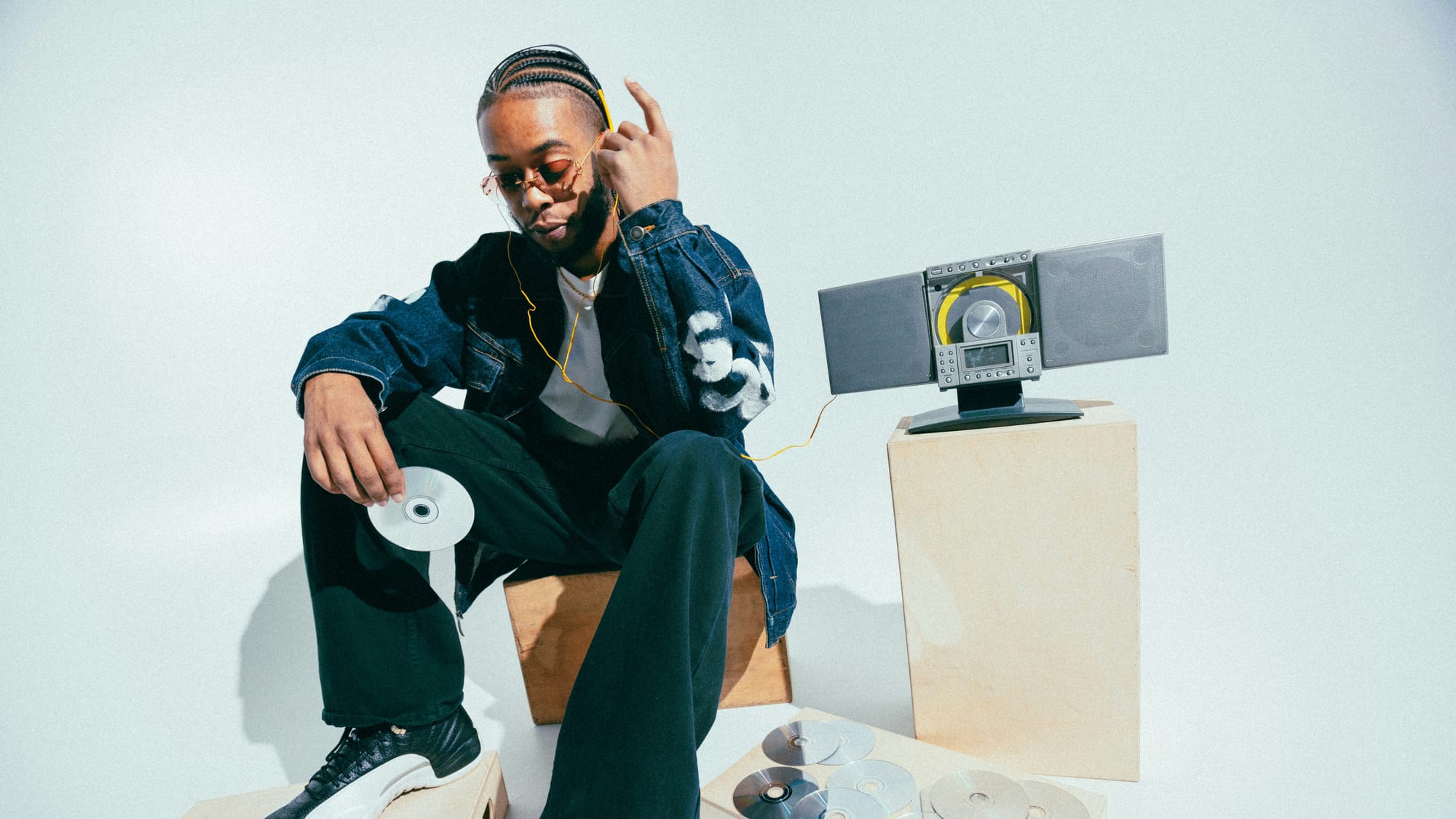
If you're pitching yourself to other brands, an easy way for them to know all the great things about you is to create your very own media kit. This is a collection of promo materials about yourself, your business, your content, and your accomplishments. Think of it as a style guide for your professional life. If you don't know how to start talking about how amazing you are, we've got you.
Katie Mitchell at Skillshare breaks down how to build a media kit to make it easy for brands to understand why they should work with you.
#1 First, your media kit can be an About page on your website, a shared link to a downloadable file, or an attachment in an email when reaching out to brands. The choice is yours, but it might be wise to prepare for all three scenarios.
#2 Your Bio is where you decide if you want to talk about your real life, your influencer persona, or your brand as a whole. Be sure to include a headshot of yourself and any high-quality images or videos of what you're all about.
#3 Include any and all contact details in your kit so brands know how to find you. Items like your email address, website, social media accounts, and management info should all be readily available so you can keep coms open.
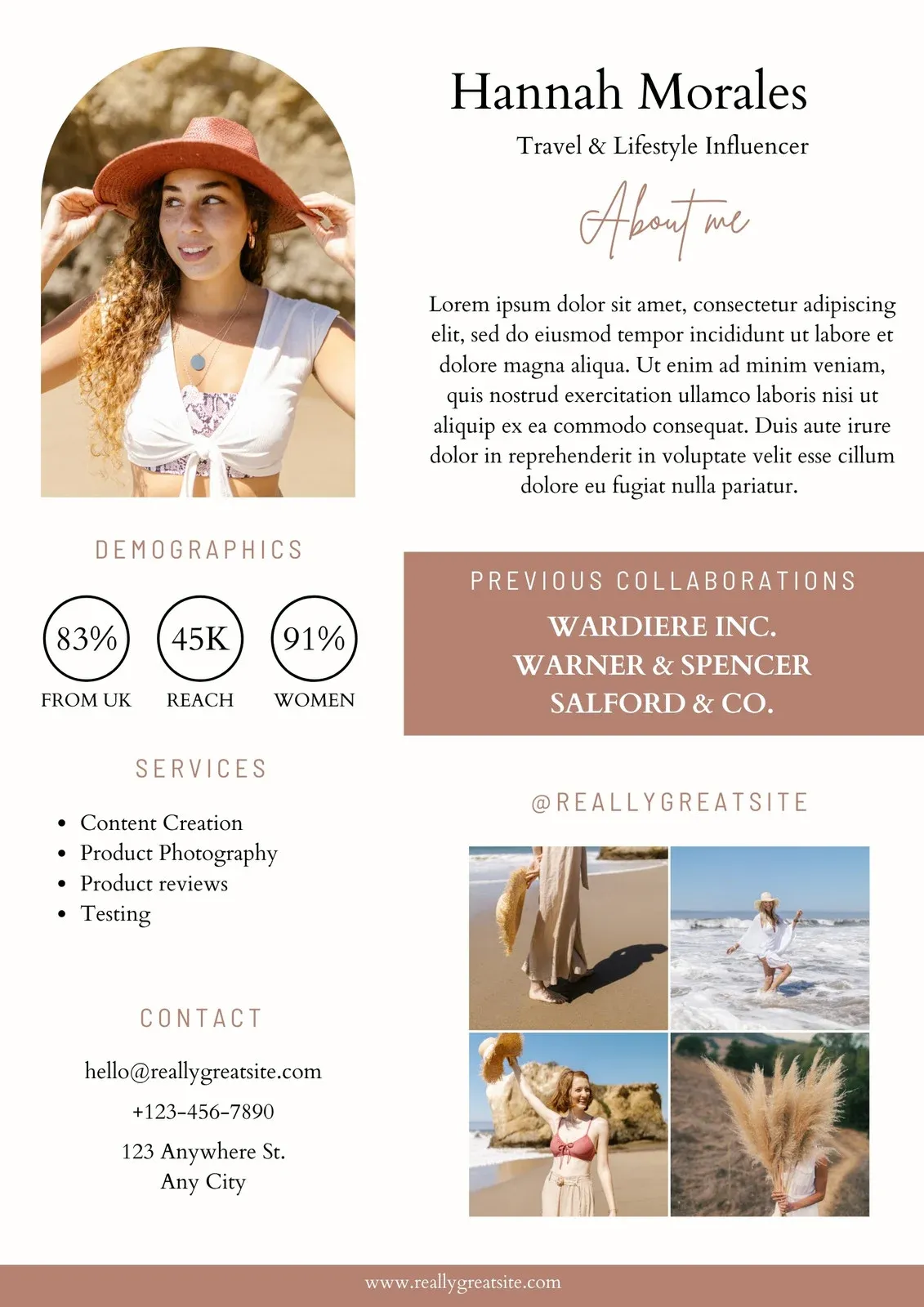
#4 Your mission statement and objectives should be loud and clear. What is your purpose, and what exactly are you doing to accomplish your mission? If brands don't have a clear understanding of this, they'll move on.
#5 Give an overview of your existing content with links to all your best work. Show them what you're made of and why you're successful. Additionally, include all relevant analytics, like follower count, audience demographics, and site visits.
#6 If you already partner with other brands, include them too! The companies you work with say a lot about who you are and highlight what direction you're going. This will help you attract other brands that align with your values.
Money talks

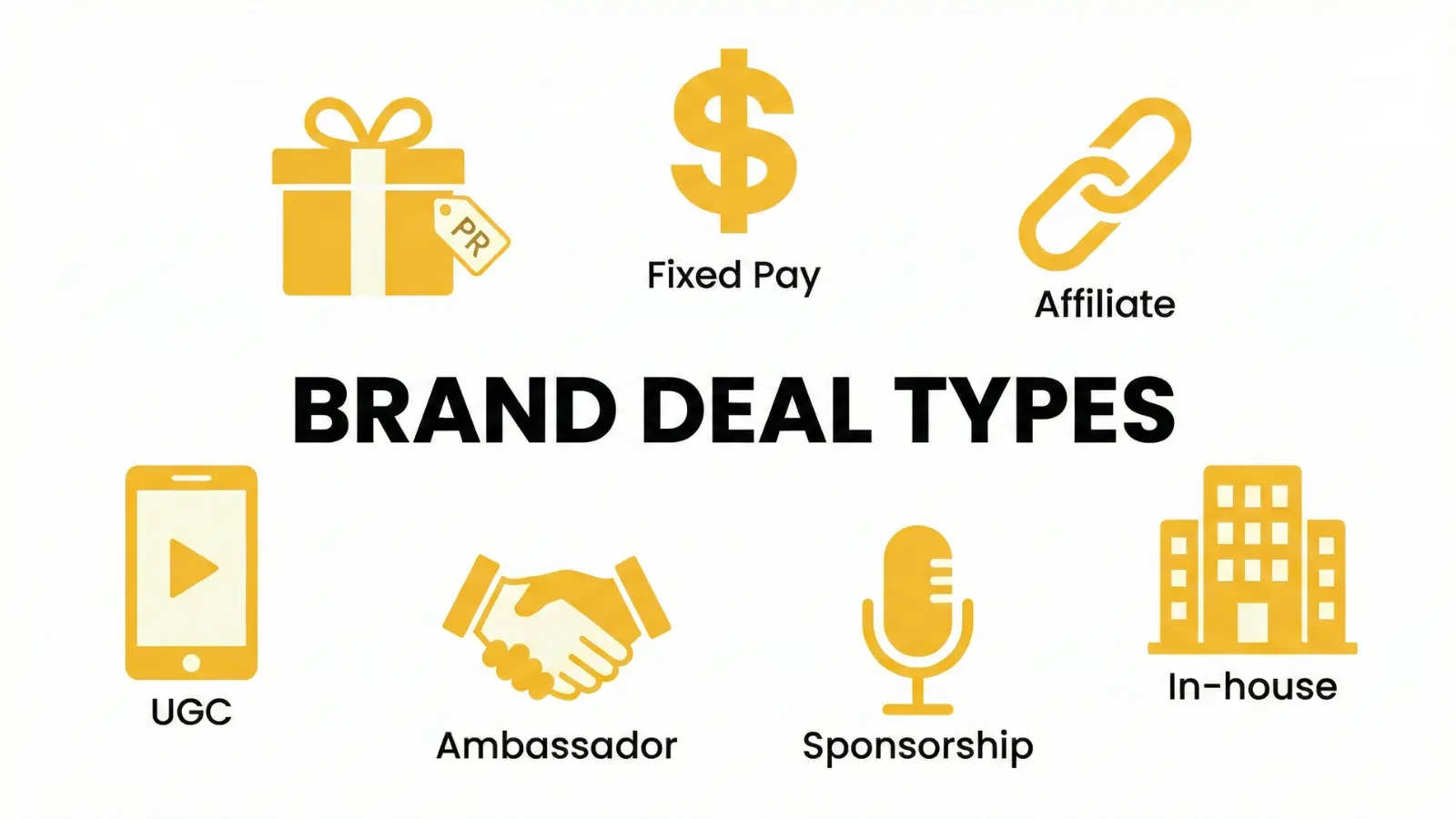
Now that your favorite company is interested in working with you, it's time to talk about what nobody ever wants to talk about: money. If you're feeling nervous, know that many marketing teams don't know what the hell they're doing either. If a brand is connecting with you, you control the ship. You're the captain now. When negotiating brand deals, confidence in yourself and your content is everything.
Kwame Christian, CEO of the American Negotiation Institute and contributor at Forbes, explains how to negotiate brand deals so you get what you're worth.
‣ The first step is knowing who should make the first offer. If you're a seasoned pro, feel free to get the ball rolling. If you're a newbie, let them bite first while you ask lots of questions to discover why they want to work with you. The more information you have, the more informed your counteroffer will be.
‣ Never undersell yourself and never take the first offer. When negotiating, go beyond the dollar amount and look at the full picture. How long will you be working with them? Can they help promote your work on other platforms or to other brands? Use your media kit to show them what they'll get in return.
‣ As we now know, you don't need a huge follower count to get a decent rate. Use analytics like demographic data, engagement metrics, and conversion rates to show brands the value your small audience delivers, and be sure to frame it confidently. If brands don't understand why they should pay you, they won't.
‣ It's perfectly fine if a certain brand only wants you working with them and offers you more money because of it, but you should handle exclusivity carefully. You never want to be stuck with a company that you've outgrown or ends up not being a great partner. Start with 30-90 days of exclusivity to test the waters.
‣ Ensure you're treating your brand deals like a real-life human relationship and not just a transaction. If you get along well with a company and make their job super easy, they'll more than likely want to keep working with you. You should treat every one-off deal like the start of a long-lasting partnership.
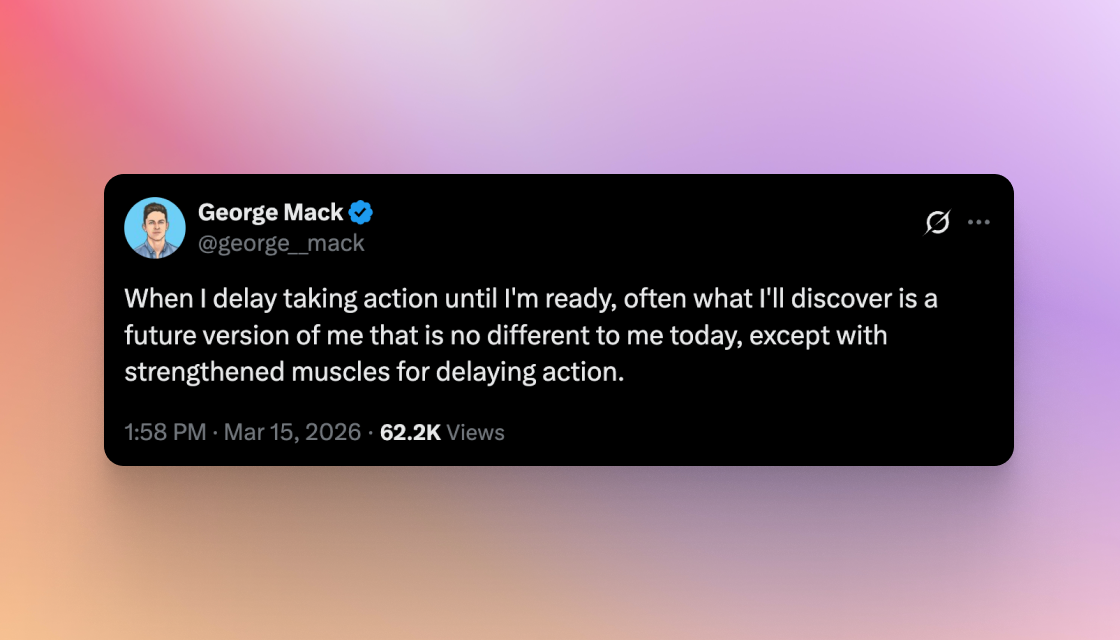
‣ The most important thing you can do to get the best brand deals is get started. The more sponsors you have under your belt, the higher your credibility. It's ok to start with small brands that pay small amounts, so you can simply gain experience. More experience means you're less likely to be taken advantage of.
Curator's pick ✍️
Enjoy this newsletter? Forward to a friend or hit reply to share your thoughts. We don't bite! 👻
Want more how-tos? Search our library of tutorials and subscribe to our monthly "Build with Ghost" newsletter.
Join our Ghost Creator Community! Connect with like-minded people who create content professionally — apply here.